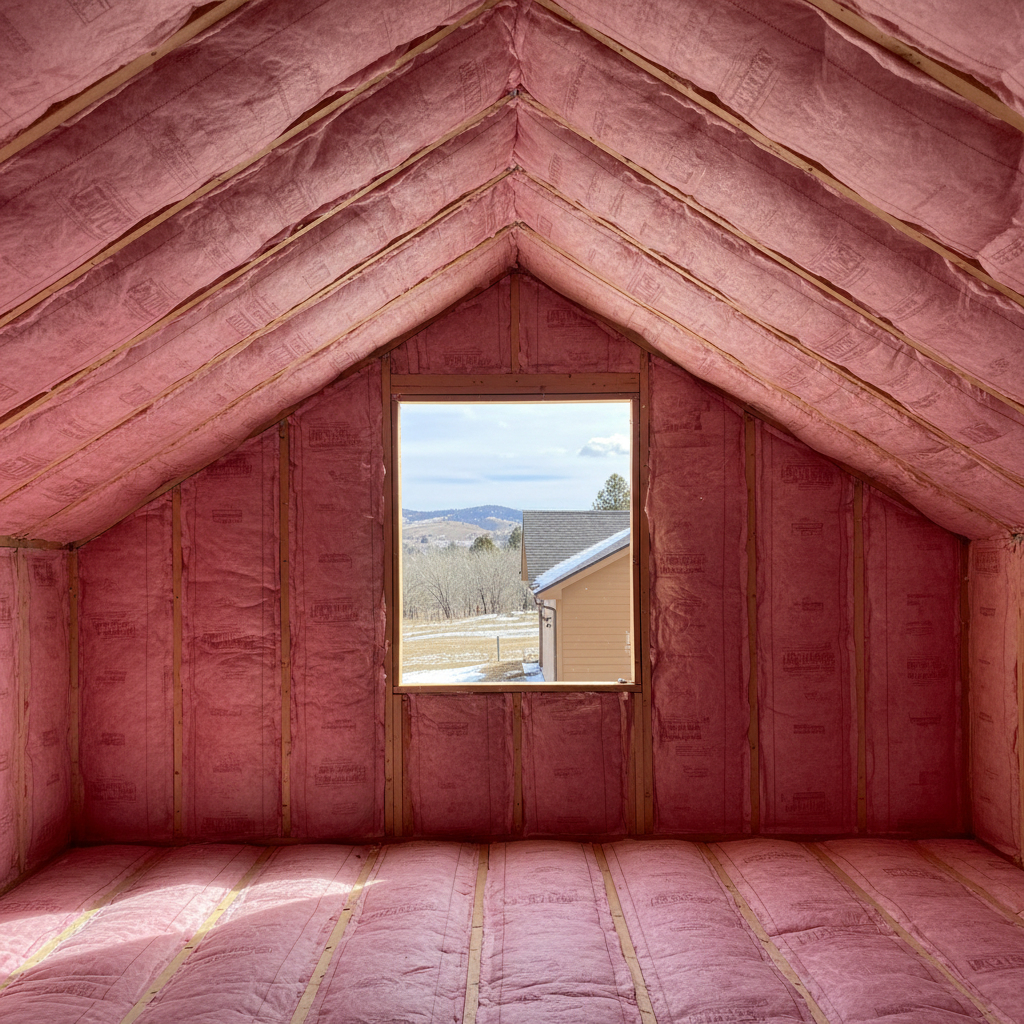
When's the best time to get batt insulation installed in your Rapid City home? That's a common question, and honestly, there isn't one perfect answer for everyone. But some times are definitely better than others, and if you understand what affects the job, you can save yourself a lot of hassle and money.
When to Schedule Your Batt Insulation Project
You might think winter is the best time for new insulation because that's when you really feel those cold drafts. And sure, we do a lot of work then. But here's the thing: trying to schedule an insulation job when it's already sub-zero outside can be tough. Everyone else has the same idea, and our crews get booked solid. Plus, working in extreme cold presents its own challenges, you know?
I usually tell folks that late spring, summer, or early fall are ideal. Why? For one, you're not in a rush. You can plan it out, get estimates, and schedule without feeling the immediate pressure of a freezing house. The weather's generally more cooperative, which makes the work easier and often quicker. If we're working in an attic, summer heat means it's still hot up there, but at least we're not fighting freezing temperatures if we need to open up a wall for access. If we're doing a crawl space, it's a lot more pleasant for the crew when the ground isn't frozen solid.
Another reason to consider those off-peak seasons is just simple logistics. Our schedule is usually a bit more flexible then, and you might have more options for timing that fit your life. Don't wait until the first big snowstorm hits to realize your insulation isn't cutting it.
Weather Conditions That Really Matter
You might not think weather affects batt insulation much, but it absolutely can. We're not just talking about comfort for the crew, though that's a factor too. We're talking about the integrity of the installation and the safety of your home.
- Rain and Snow: This is a big one. Batt insulation, especially fiberglass, can't get wet. If we're working in an attic and there's a leak, or if we're opening up exterior walls and it starts pouring, we have to stop. Wet insulation loses its R-value and can lead to mold issues down the road. We always check weather forecasts, but sometimes those Rapid City thunderstorms just pop up fast.
- Extreme Cold: While we can work in cold, really frigid temperatures (like when it's -20 degrees and windy) make it tough to handle materials effectively. It can also make it harder to seal up any gaps perfectly, which is crucial for a good insulation job.
- High Winds: If we're dealing with exterior work or even just moving materials around, strong winds can be a real pain. It's not usually a deal-breaker, but it can slow things down and make the job site less safe.
We're professionals, so we know how to work around these things, but ideal conditions mean a smoother, faster, and ultimately better installation for you.
Protecting Your Investment Year-Round
Once you've invested in quality batt insulation from a company like Oasis Insulation Company, you want it to perform for decades. Here's how to make sure it does:
- Keep it Dry: This is the golden rule. Any leaks in your roof, plumbing, or foundation can compromise your insulation. Regularly inspect your attic for signs of water stains, especially after heavy rains or snowmelt. Check your basement and crawl space too. If you find a leak, fix it immediately and get any wet insulation replaced.
- Maintain Proper Ventilation: Especially in attics and crawl spaces. Good ventilation prevents moisture buildup, which can degrade insulation and lead to mold. Make sure your soffit and ridge vents aren't blocked. Here in Rapid City, with our big temperature swings, condensation can be a real problem if your attic isn't breathing right.
- Pest Control: Rodents, birds, and insects love to nest in insulation. They can compress it, tear it, and leave waste that compromises its effectiveness and creates odors. Seal up any entry points into your attic or walls. If you suspect a pest problem, address it quickly before they do too much damage.
- Don't Compress It: If you're storing things in your attic, make sure you're not laying them directly on top of your batt insulation. Compression significantly reduces its R-value. If you need storage, build a raised platform above the insulation.
- Seal Air Leaks: Insulation stops heat transfer, but air sealing stops air movement. The two work together. Periodically check around light fixtures, electrical boxes, and plumbing penetrations in your attic for air leaks and seal them with caulk or foam.
Taking a little time to check these things periodically will ensure your insulation keeps your home comfortable and your energy bills down, no matter what the Black Hills weather throws at us.